Just another WordPress site
BLOG
In
All Category, Health
Your Body Makes Cannabinoid-Like Molecules Too: Meet the Endocannabinoid System
Posted on November 10, 2026
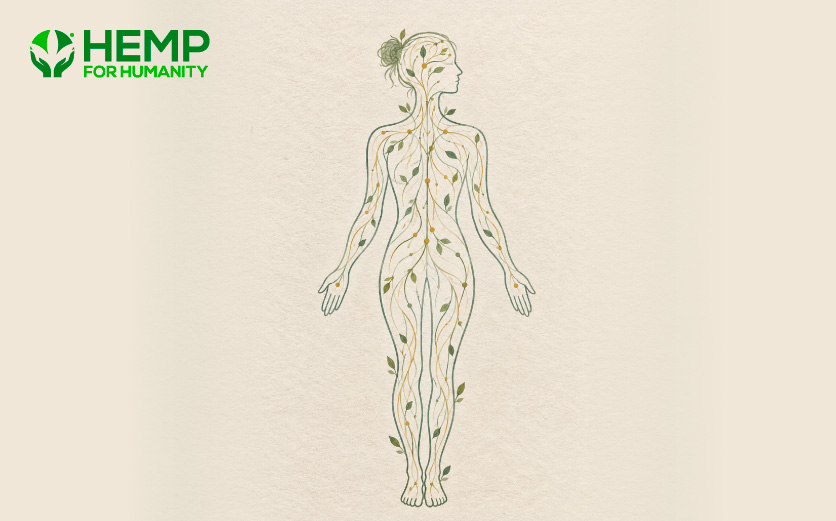
When people hear the word “cannabinoid,” they usually think of compounds found in the hemp plant, such as CBD or THC. Yet cannabinoids are not exclusively associated with plants. The human body produces its own cannabinoid-like signalling molecules, which participate in an extensive biological communication network known as the endocannabinoid system (ECS). Understanding this system provides a fascinating perspective on how our bodies regulate everyday physiological processes.
Hempcrete: Why Building with Hemp Is More Complicated and More Interesting Than It Sounds
Posted on November 4, 2026
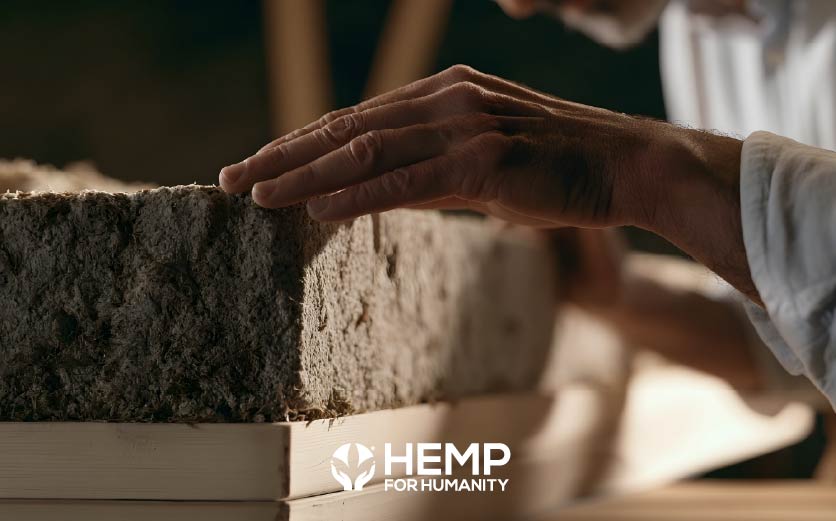
Hemp has attracted considerable attention as a potential building material, particularly among those searching for alternatives to conventional construction products with substantial environmental footprints. One of the most frequently discussed examples is hempcrete, a material made from hemp and a mineral binder. It is often described as carbon-negative, highly insulating and capable of creating healthier indoor environments. These claims are intriguing, but the science behind hempcrete is more nuanced than the headlines suggest. Understanding what the material actually does, and what it cannot do, reveals a surprisingly sophisticated approach to sustainable construction.
In
All Category, Health, Legal
What Happens to CBD After You Swallow It? A Journey Through the Human Body
Posted on October 27, 2026
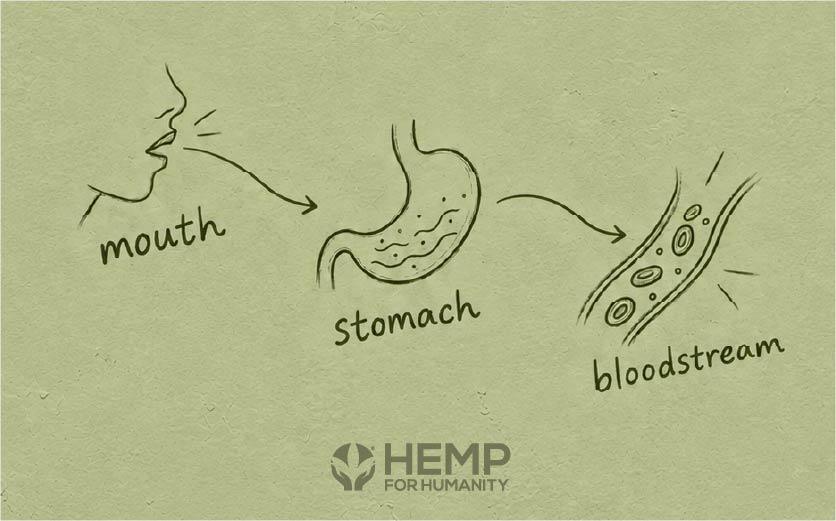
When someone takes CBD oil, a capsule or another orally consumed CBD product, it is easy to assume that the amount swallowed is the amount the body receives. However, human physiology tells a considerably more complicated story. Between swallowing CBD and its arrival in the bloodstream, several biological processes determine how much of the original compound becomes available to circulate through the body. Understanding this journey helps explain why CBD absorption varies between individuals, why food can influence its availability and why researchers continue investigating different cannabinoid delivery technologies.
In
All Category, Business, Health
Hemp Seeds: The Part of the Plant That Has Nothing to Do with CBD
Posted on October 20, 2026
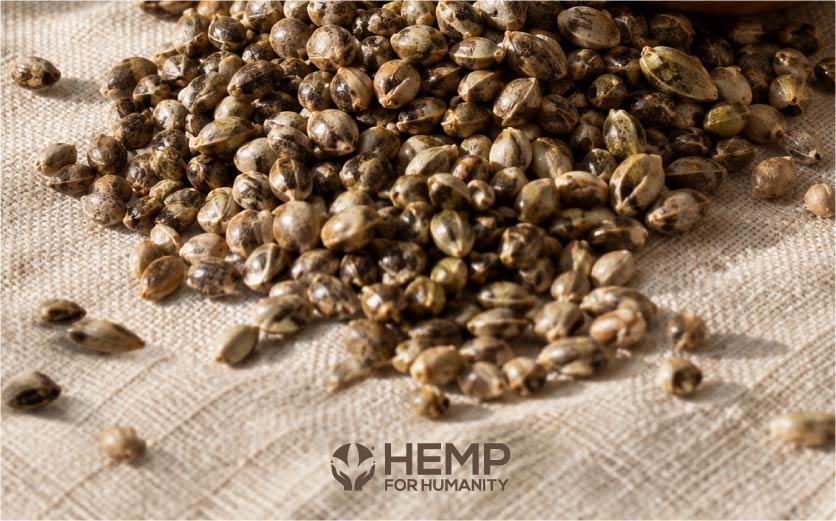
When people hear the word hemp, their thoughts often turn immediately to CBD, cannabinoids and the endocannabinoid system. Yet hemp is a remarkably versatile plant, and some of its most interesting nutritional characteristics have nothing to do with cannabinoids. Hemp seeds are an excellent example. These small, nutrient-dense seeds offer protein, essential fatty acids, minerals and other valuable dietary components. Understanding their composition also reveals an important distinction: not everything produced from hemp contains CBD, and different parts of the same plant can serve entirely different purposes.
Why Two CBD Products with the Same Milligrams May Not Be the Same Product
Posted on October 14, 2026
Recent Comments