Our Archive

Search completed

Hemp For Humanity > Blog Hero Boxed 2 Column > Business

Why Building with Hemp Is More
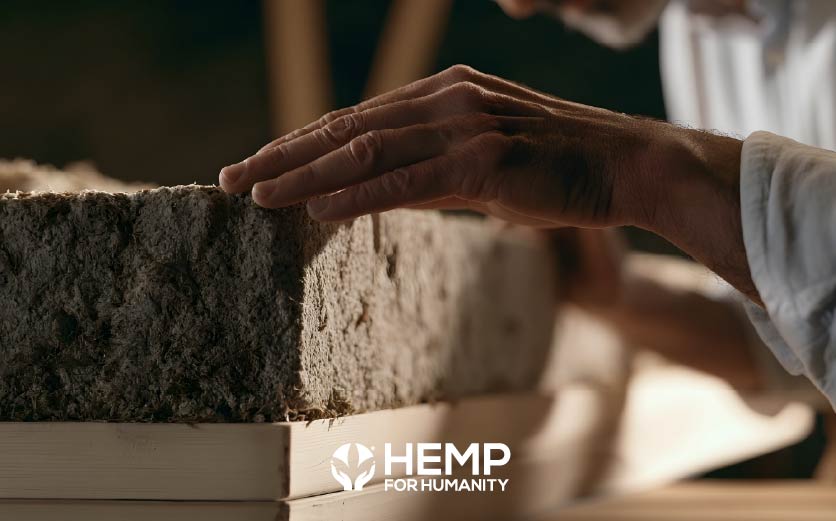
Hemp has attracted considerable attention as a potential building material, particularly among those searching for alternatives to conventional construction products with substantial environmental footprints. One of the most frequently discussed examples is hempcrete, a material made from hemp and a mineral binder. It is often described as carbon-negative, highly insulating and capable of creating healthier indoor environments. These claims are intriguing, but the science behind hempcrete is more nuanced than the headlines suggest. Understanding what the material actually does, and what it cannot do, reveals a surprisingly sophisticated approach to sustainable construction.
Read More
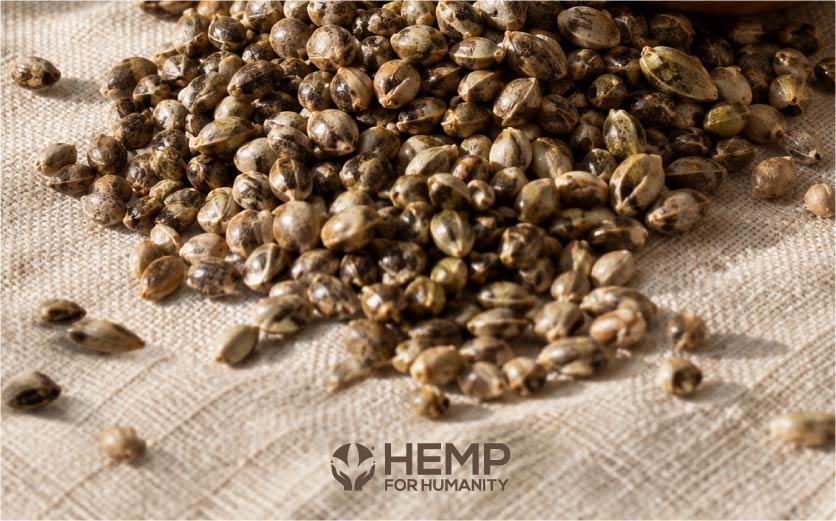
When people hear the word hemp, their thoughts often turn immediately to CBD, cannabinoids and the endocannabinoid system. Yet hemp is a remarkably versatile plant, and some of its most interesting nutritional characteristics have nothing to do with cannabinoids. Hemp seeds are an excellent example. These small, nutrient-dense seeds offer protein, essential fatty acids, minerals and other valuable dietary components. Understanding their composition also reveals an important distinction: not everything produced from hemp contains CBD, and different parts of the same plant can serve entirely different purposes.
Read More
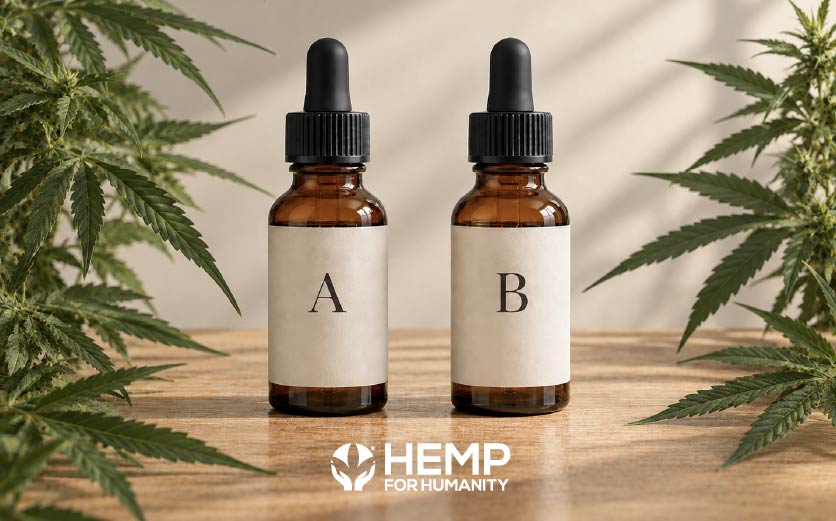
Walk into a store, browse a website or compare two hemp products online and you will often see one number taking centre stage: 1,000 mg CBD. It looks wonderfully simple. Product A contains 1,000 mg. Product B contains 1,000 mg. Surely the products are essentially equivalent, and the sensible comparison is therefore price? Not quite. 
Read More
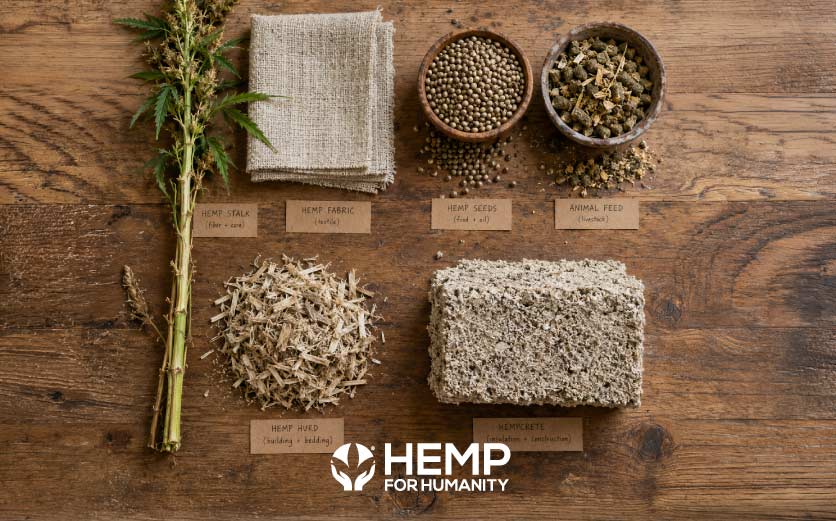
When we think about the value of hemp, attention often goes to the part of the plant that becomes the final product: seeds pressed for oil, fibres turned into textiles, or flowers processed for cannabinoids. But an increasingly important question is being asked by researchers and industry: what happens to everything that remains?
Read More
Hemp is often presented as an almost ideal crop for the future: fast-growing, versatile, relatively low in chemical inputs and capable of supplying raw materials for everything from food and textiles to construction materials and wellness products. But what happens when we stop looking at hemp through the eyes of marketers and policymakers and ask the farmers who actually have to grow it?
Read More