Cannabinoids have become one of the most talked-about topics in hemp and wellness, yet many people still are not quite sure what they are, how they work, or why they matter. For some, the word brings to mind CBD. For others, it raises questions about hemp, cannabis, THC, and what all of these terms actually mean. The good news is that the basics are easier to understand than they may seem.
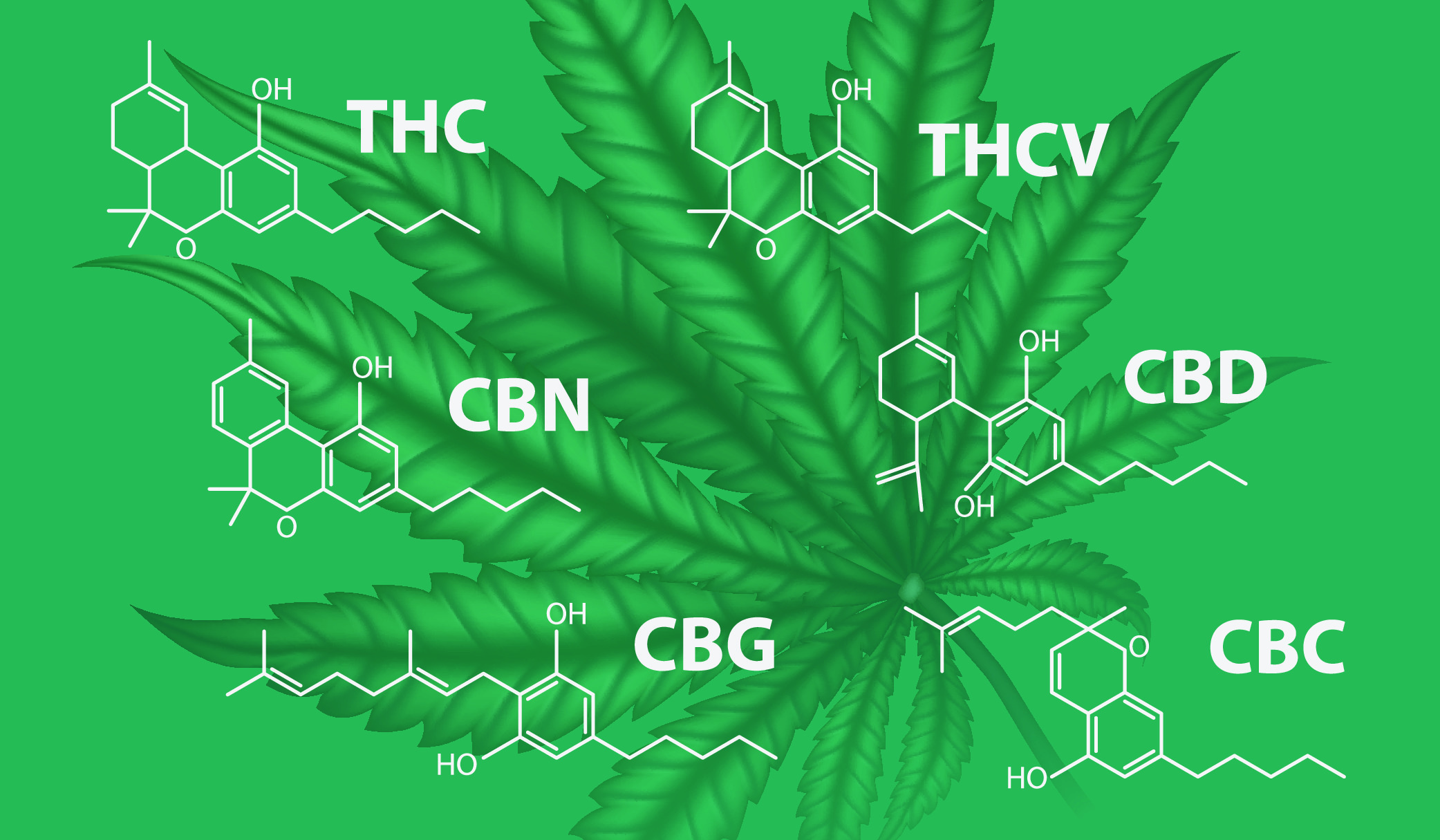
Cannabinoids are natural compounds made by the hemp plant. They are part of what gives hemp its unique biological activity and broad interest in health, wellness, and science. Researchers have identified more than 100 cannabinoids in Cannabis sativa, although only some of them have been studied in depth so far. Among the best known are CBD, CBG, CBC, CBN and THC. These compounds do not all behave the same way. Each has its own chemical structure, its own role in the plant, and its own way of interacting with the human body.
Why does that matter? Because the human body has its own endocannabinoid system, often called the ECS. This system helps regulate many everyday functions involved in maintaining internal balance, including sleep, mood, stress response, appetite, pain signaling, and immune activity. Cannabinoids from hemp do not replace the body’s own signaling molecules, but they can interact with receptors and pathways related to this regulatory network. That is one reason interest in cannabinoids has grown so quickly: they are being studied not just as isolated plant compounds, but as substances that may support balance and regulation in meaningful ways.
The best-known cannabinoid today is CBD, short for cannabidiol. CBD has attracted enormous attention because it is not intoxicating and because it has been studied much more extensively than most other hemp cannabinoids. The strongest clinical evidence for a purified CBD medicine is in certain rare seizure disorders; the U.S. FDA has approved prescription cannabidiol for seizures associated with Lennox-Gastaut syndrome, Dravet syndrome, and tuberous sclerosis complex. At the same time, CBD is widely researched for broader areas such as stress, sleep, inflammation, and pain, though the quality of evidence outside approved medical use is mixed and depends heavily on dose, formulation, and the condition being studied.
Then there is CBG, or cannabigerol, which is often called the “mother cannabinoid.” That nickname is not marketing language; it reflects real plant biochemistry. In the hemp plant, a precursor molecule called CBGA sits upstream in the cannabinoid pathway. Specialized plant enzymes convert CBGA into acidic precursors such as THCA, CBDA, and CBCA, which later become THC, CBD, and CBC through heat or aging. In simple terms, many major cannabinoids begin from a shared biochemical starting point. That is why CBG and its precursor chemistry are so important to understanding the plant as a whole.
CBG itself is generating interest because early research suggests it may have distinct biological actions from CBD. Preclinical and early-stage research has explored CBG in connection with inflammation, pain pathways, neuroprotection, and gastrointestinal function. However, compared with CBD, the human evidence for CBG is still limited, so it is more accurate to say that CBG is promising than to present it as settled science.
Other cannabinoids matter too. CBC, or cannabichromene, is being studied for anti-inflammatory, analgesic, and neurobiological effects, although most of that work is still early. Minor cannabinoids such as CBDV and THCV are also drawing scientific interest. CBDV has been explored in neurological research, while THCV has been investigated for its distinct receptor activity and possible links to appetite and metabolic signaling. The key point is that hemp is not a one-compound plant. It is a chemically rich botanical system, and each cannabinoid may contribute something slightly different.
Of course, no discussion of cannabinoids is complete without THC. THC, or tetrahydrocannabinol, is naturally produced by the plant as well. It is one of the major cannabinoids in cannabis chemistry and is the compound most associated with psychoactive effects. Because THC can alter perception and produce intoxication, many hemp companies reduce it to very low levels or remove it from finished products altogether. In regulated hemp markets, products are typically expected to remain under legal THC thresholds, and many brands choose formulations designed to avoid psychoactive effects while still preserving other parts of the plant’s profile. This is one of the reasons consumers often see terms like broad-spectrum, THC-free, or non-detectable THC on hemp products.
That leads to an important point: cannabinoids are connected not only by chemistry, but also by formulation. In the living plant, cannabinoids are made together, not in isolation. They appear alongside terpenes, flavonoids, and other phytochemicals. This has led to growing interest in whether combinations of compounds behave differently from purified isolates. Scientists are still working out exactly how these interactions matter in practice, but the idea that the plant’s compounds may influence each other has become an important part of hemp research and product development.
So what are the health benefits of cannabinoids? The most honest answer is that the evidence exists on a spectrum. Some cannabinoid applications are supported by stronger clinical evidence than others. Prescription CBD for certain seizure disorders is a clear example of an established use. For chronic pain, nausea related to chemotherapy, and spasticity in specific neurological contexts, broader cannabis and cannabinoid research has identified signals of benefit, though findings vary by product type and study design. For many minor cannabinoids, the science is encouraging but still emerging. That means consumers should stay curious, but also realistic. Not every cannabinoid has the same level of proof behind it, and not every product on the market reflects the science equally well.
Why does this category matter so much today? Because people are looking for better ways to support everyday balance, and because science is finally catching up to what makes hemp such an interesting plant. Cannabinoids matter because they offer a new lens on how plants can interact with human regulatory systems. They matter because they have moved from niche discussion into serious research. And they matter because better understanding leads to better decisions: better product choices, better conversations, and better expectations.
For readers new to the topic, the main takeaway is simple. Cannabinoids are natural compounds from hemp that interact with the body in different ways. CBD is the best known, CBG and other minor cannabinoids are expanding the conversation, and THC is part of the same plant chemistry even though many hemp products are formulated to minimize or remove it. Behind all of them is a fascinating biosynthetic story inside the plant itself, where these compounds are related through shared pathways and precursor molecules. The more we understand that story, the more confident we can feel about the category as a whole.
This article is for informational purposes only and does not constitute medical advice. If you are considering adding cannabinoids to your routine — especially if you are pregnant, nursing, or taking prescription medication — please speak with a qualified healthcare professional first.
Follow Hemp for Humanity on Telegram: https://t.me/hempforhumanityofficial
Recent Comments