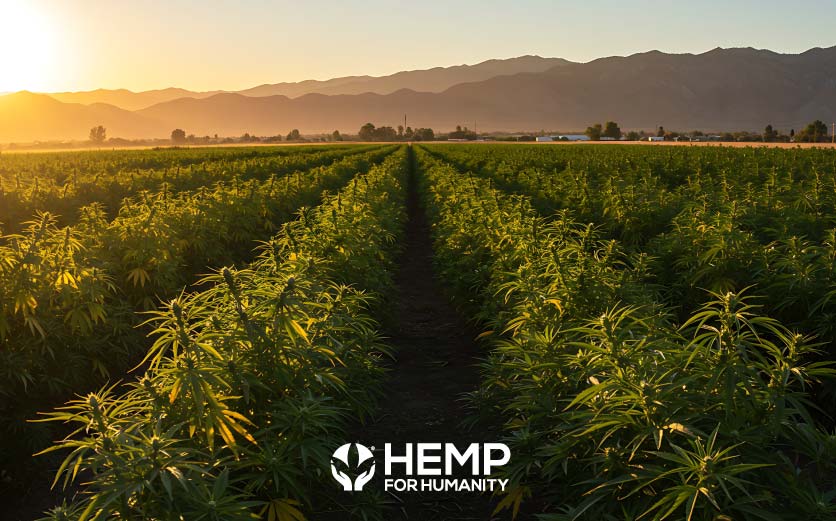
When people hear the word hemp, they often think first about wellness products. Oils, capsules, skincare formulations, and other cannabinoid-based products have helped bring hemp back into public awareness. Yet the plant’s potential reaches far beyond the wellness category.
Hemp is part of a much larger conversation about agriculture, responsible production, material innovation, and the choices consumers make about the products they bring into their homes.
An Old Crop with New Relevance
Hemp is not a new agricultural discovery. It has been cultivated for centuries and used to produce rope, textiles, paper, food, and other practical materials. Its long history shows that hemp has always been valued for more than one part of the plant.
The stalk can provide strong fibers and a woody inner core. The seeds can be used in foods and oils. Flowers and leaves may be processed for naturally occurring cannabinoids and other plant compounds, where permitted by local regulations.
This whole-plant versatility is one reason hemp continues to attract attention from farmers, researchers, manufacturers, and entrepreneurs. One crop can potentially supply raw materials for several industries, including:
- Textiles and clothing
- Paper and packaging
- Construction materials
- Food and nutrition
- Personal care and cosmetics
- Animal bedding
- Bioplastics and composite materials
- Hemp-derived wellness products
The real opportunity is not simply that hemp can be used in many ways. It is that the plant may help industries rethink how raw materials are cultivated, processed, reused, and valued.
Healthy Products Begin with Responsible Agriculture
Sustainability claims should never be based on the reputation of a plant alone. Hemp may have valuable agricultural characteristics, but the environmental impact of any hemp product depends on how the crop is grown and what happens after harvesting.
Farming practices matter. So do water use, soil management, pest control, energy consumption, transportation distances, processing methods, packaging, and waste.
Soil is especially important because it is the foundation of the entire supply chain. Healthy soil supports plant growth, retains water, stores nutrients, and contributes to the long-term resilience of farmland. Practices such as crop rotation, reduced soil disturbance, responsible nutrient management, and thoughtful land selection can help protect soil quality.
Hemp can form part of these agricultural systems, but it is not an automatic environmental solution. Sustainable outcomes require knowledgeable farmers, suitable growing conditions, appropriate processing infrastructure, and companies willing to make responsible decisions throughout production.
Why Sourcing Matters
Two products can both contain hemp while having very different stories behind them.
Where was the hemp cultivated? Were the farmers required to follow defined agricultural standards? Was the harvested material tested for contaminants? Can the finished product be traced back through the supply chain? Were the ingredients processed and packaged responsibly?
These questions are increasingly relevant because conscious consumers are looking beyond the front label. They want to understand where products come from, how they are manufactured, and whether the company’s actions support its environmental messaging.
Transparent sourcing is therefore more than a marketing advantage. It is part of building trust.
Companies working with hemp should be prepared to explain their standards clearly. That includes the origin of the plant material, quality-control procedures, testing, manufacturing processes, and the reasons particular ingredients or packaging formats were selected.
A Wider Definition of Wellness
Personal wellness does not exist separately from the world around us. The health of people, communities, agricultural systems, and natural resources is interconnected.
This gives hemp a broader significance. It can be discussed not only as a source of individual wellness products, but also as an agricultural crop, an industrial material, and a starting point for conversations about responsible consumption.
The bigger promise of hemp is not that one plant will solve every environmental challenge. Its promise lies in versatility, innovation, and the possibility of creating better systems around it.
When cultivated responsibly and supported by transparent supply chains, hemp can become part of a future-facing economy—one in which people consider not only what a product does for them, but also how it was made, where it came from, and what kind of future their purchase helps support.
:::
Written by Dr. Peter Verdegem, Phytonutrient Reseacher
This article is for educational purposes and does not constitute medical advice.
Follow Hemp for Humanity on Telegram: https://t.me/hempforhumanityofficial
Recent Comments