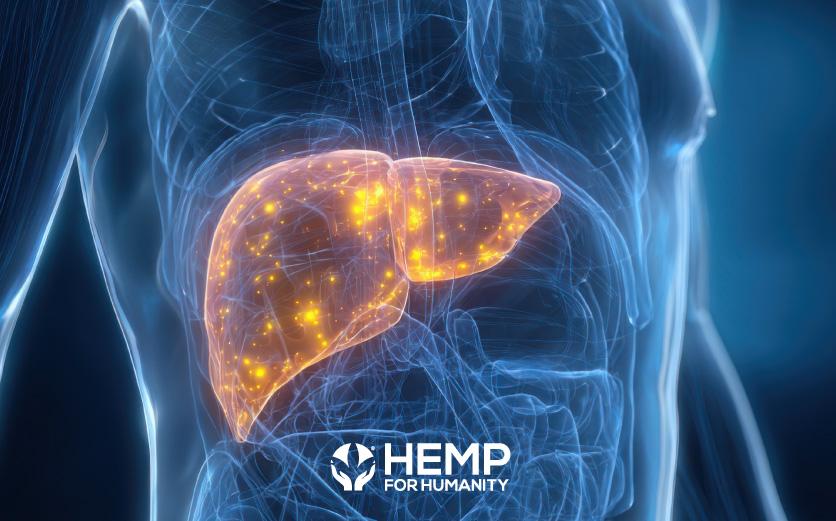
The scientific interest in cannabinoids continues to expand beyond the nervous system, reaching areas such as metabolism, inflammation and liver health. A recent 2026 preclinical study has added another intriguing piece to the puzzle by examining the effects of cannabidiol (CBD) and cannabigerol (CBG) in a mouse model of metabolic dysfunction-associated steatotic liver disease (MASLD), formerly known as non-alcoholic fatty liver disease (NAFLD).
The findings are encouraging, but they also require careful interpretation.
Understanding MASLD
MASLD is one of the most common chronic liver conditions worldwide. It develops when excess fat accumulates in the liver, often alongside obesity, insulin resistance, type 2 diabetes and metabolic syndrome. While early stages may cause few symptoms, progressive disease can lead to inflammation, fibrosis, cirrhosis and even liver failure.
Because current treatment options primarily focus on lifestyle changes such as weight loss, healthy nutrition and increased physical activity, researchers continue searching for new therapeutic approaches.
What the Study Found
In this study, researchers used mice that had developed obesity and MASLD after consuming a high-fat diet. Rather than giving cannabinoids orally, the scientists administered purified CBD or CBG by injection under carefully controlled laboratory conditions.
Both cannabinoids produced measurable changes in liver metabolism.
The researchers observed alterations in pathways involved in lipid metabolism, suggesting that both CBD and CBG influenced how liver cells process and store fats. They also found changes related to cellular energy buffering—a system that helps cells maintain stable energy supplies during changing metabolic demands.
Another interesting finding involved lysosomes. These cellular structures act as the cell’s recycling centres, breaking down damaged components and helping maintain healthy cellular function. Improvements in lysosomal activity could potentially support healthier liver cell maintenance and function.
Among the two cannabinoids, CBG demonstrated particularly notable metabolic effects. It appeared to produce stronger changes in several pathways related to liver metabolism, suggesting that this lesser-known cannabinoid may deserve additional investigation in future studies.
Why These Findings Matter
Studies like this help scientists better understand how cannabinoids interact with the body’s complex biological systems.
Rather than simply looking for symptom relief, researchers are exploring how cannabinoids may influence fundamental cellular processes such as energy production, fat metabolism, inflammation and cellular recycling. These mechanisms are highly relevant in many chronic metabolic diseases, including MASLD.
Every well-designed animal study provides valuable clues that may guide future research in humans.
But There Are Important Limitations
As interesting as these findings are, they should not be interpreted as evidence that CBD or CBG products can treat fatty liver disease.
First, this was an animal study. Results obtained in mice frequently differ from those seen in humans because of important differences in metabolism, physiology and disease progression.
Second, the cannabinoids were administered by injection, not consumed as oral hemp extracts or dietary supplements. Injected cannabinoids reach the body differently, often producing concentrations and biological effects that cannot be directly compared with commercially available products.
Finally, the study examined highly controlled laboratory conditions using purified cannabinoids. Consumer hemp products vary considerably in formulation, dosage, bioavailability and composition, making direct comparisons inappropriate.
The Bottom Line
The 2026 research provides another example of why cannabinoids remain an exciting area of biomedical investigation. Both CBD and CBG influenced several biological pathways involved in liver health, with CBG showing particularly promising metabolic effects in this experimental model.
However, promising laboratory findings are only the beginning of the scientific process.
Large, carefully designed human clinical trials are still needed to determine whether these mechanisms translate into meaningful health benefits for people living with MASLD. Until such evidence becomes available, cannabinoids should not be considered a treatment for fatty liver disease.
For individuals with MASLD, the foundations of care remain unchanged: maintaining a healthy body weight, engaging in regular physical activity, following a balanced diet, managing diabetes or other metabolic conditions, and working closely with qualified healthcare professionals.
The science is moving forward—and studies like this help point researchers in new directions. But for now, CBD and CBG remain promising subjects of investigation rather than established therapies for fatty liver disease.sider not only what a product does for them, but also how it was made, where it came from, and what kind of future their purchase helps support.
:::
Written by Dr. Peter Verdegem, Phytonutrient Reseacher
This article is for educational purposes and does not constitute medical advice.
Follow Hemp for Humanity on Telegram: https://t.me/hempforhumanityofficial
Recent Comments