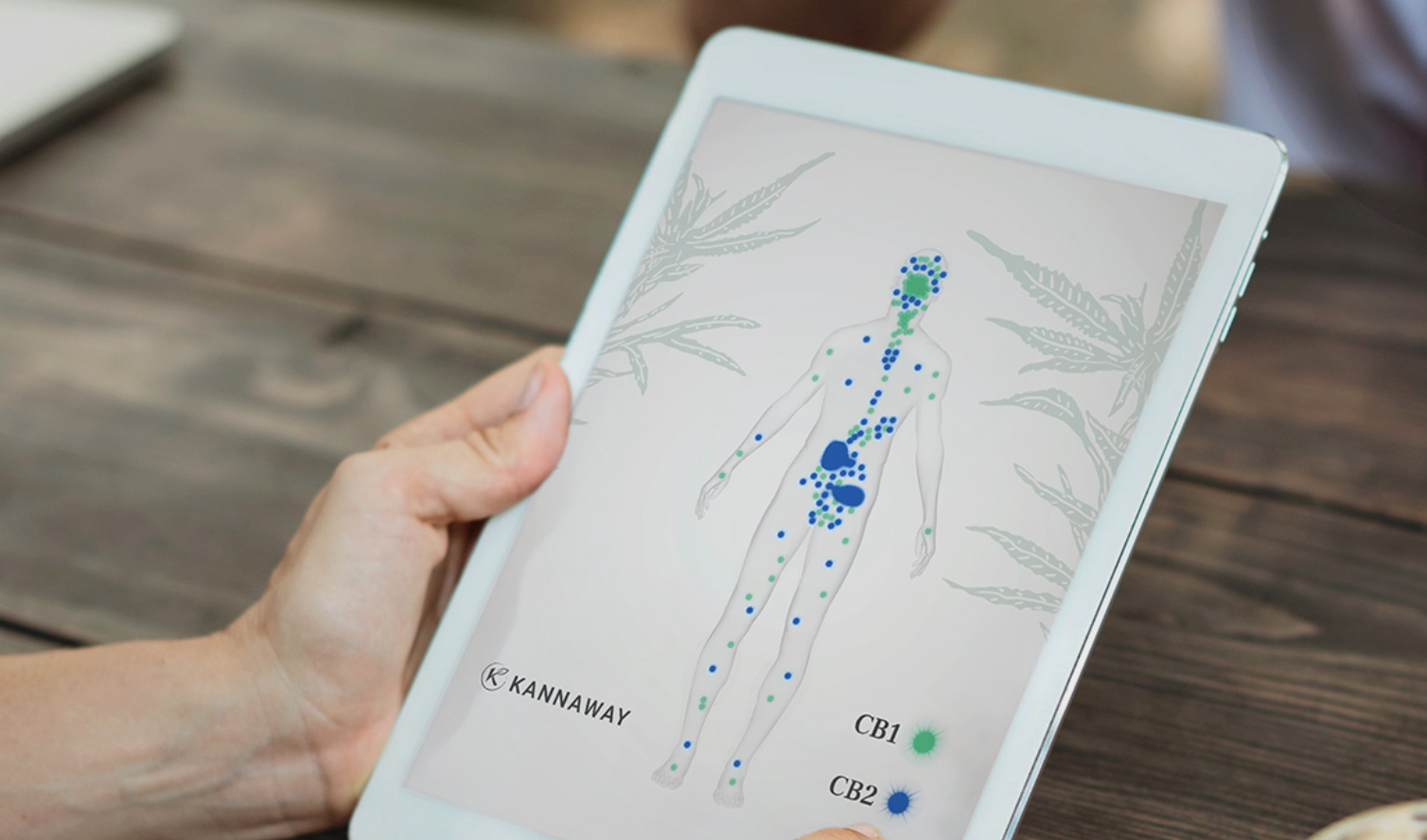
When people first hear about cannabinoids, hemp extracts, or CBD products, the conversation can sometimes feel confusing or overly technical. Why are cannabinoids suddenly part of so many wellness discussions? Why do people describe effects related to sleep, recovery, balance, stress management, or everyday wellbeing?The answer often leads to one fascinating and still surprisingly unknown part of human biology: the Endocannabinoid System, or ECS.
Many researchers and health professionals now describe the ECS as one of the body’s “master regulatory systems” because of its role in helping the body maintain balance, adaptability, and stability in changing conditions. And perhaps most importantly, it is not isolated to one organ or one process. The Endocannabinoid System is present throughout the body. This is why the ECS has become such an important topic in modern wellness education.
The Body’s Internal Balancing System
The simplest way to understand the Endocannabinoid System is to think of it as a communication and balancing network. The human body is constantly adjusting itself. Temperature changes. Stress levels rise and fall. Sleep patterns shift. Muscles recover from physical activity. The immune system responds to environmental factors. Hormones fluctuate. Mood changes throughout the day. The ECS is deeply involved in helping the body adapt to these constant internal and external changes. Its overall goal is something called homeostasis – the body’s effort to maintain balance and optimal function. In many ways, the ECS works quietly in the background, helping different systems communicate with each other more effectively. That is why some scientists refer to it as the “master regulator.”
What Makes Up the Endocannabinoid System?
The ECS consists mainly of three parts:
• Endocannabinoids – signaling molecules naturally produced by the body
• Cannabinoid receptors – structures found throughout the body that receive signals
• Enzymes – which help break down and recycle endocannabinoids once they have done their job
The two best-known receptors are called CB1 and CB2 receptors. CB1 receptors are found primarily in the brain and nervous system, while CB2 receptors are more commonly associated with immune tissues and peripheral systems throughout the body. However, the reality is more complex, and both receptor types appear in many areas of human physiology. The important point is this: the ECS is everywhere. And because it is so widespread, it may influence many aspects of everyday wellbeing.
The ECS and the Brain
One of the most discussed areas of ECS activity is the nervous system. The brain constantly processes stress, emotional responses, memory formation, focus, sleep cycles, and sensory information. The ECS appears to help regulate communication between nerve cells and maintain balance within these processes.
This is one reason cannabinoids are often discussed in connection with relaxation, recovery, emotional wellbeing, and sleep support.
The ECS may play a role in regulating:
• Mood and emotional balance
• Stress resilience
• Sleep quality and recovery
• Focus and cognitive flexibility
• Sensory processing
Modern lifestyles can place enormous pressure on the nervous system. Constant stimulation, digital overload, poor sleep habits, and chronic stress may all influence how balanced we feel on a daily basis. The ECS is part of the body’s attempt to maintain stability despite these pressures.
The ECS and Immune Balance
The immune system is another area strongly connected to the ECS. The body’s immune response must remain balanced. Too little response may reduce resilience, while excessive responses may create unnecessary strain on tissues and recovery processes. Research suggests that the ECS helps support communication within the immune system and may influence inflammatory signaling. This does not mean the ECS “turns the immune system on or off.” Instead, it appears to help regulate balance and coordination. This is one reason cannabinoids are frequently discussed in broader conversations about recovery, physical comfort, and resilience.
The ECS and Physical Recovery
Many active individuals first become interested in cannabinoids because of recovery and physical wellbeing. Muscles, joints, connective tissues, and the nervous system all experience stress from daily activity, exercise, repetitive movement, and aging.
The ECS appears to participate in processes related to:
• Recovery after physical exertion
• Physical comfort
• Muscle relaxation
• Adaptation to stress
• Overall resilience
This has made cannabinoids increasingly popular among people seeking wellness support as part of an active lifestyle.
The ECS and Sleep
Sleep is one of the clearest examples of how interconnected the body truly is. Stress affects sleep. Recovery affects sleep. Mood affects sleep. Physical discomfort affects sleep. The ECS appears to participate in many of the biological rhythms connected to rest and recovery. When people discuss feeling “more balanced” after supporting the ECS, sleep quality is often one of the first areas they mention. Of course, sleep is influenced by many factors including lifestyle, stress management, light exposure, nutrition, and daily habits. The ECS is not a magic switch. But it is increasingly viewed as one important part of the body’s broader recovery system.
Why Are Cannabinoids Relevant?
Cannabinoids from hemp are interesting because they interact with the Endocannabinoid System. The body already produces its own cannabinoid-like signaling molecules. Plant cannabinoids – often called phytocannabinoids – appear capable of influencing or supporting ECS activity in different ways. This is where cannabinoids such as CBD, CBG, and CBN enter the conversation. Importantly, modern hemp wellness discussions are increasingly moving away from the idea of “one miracle compound.” Instead, researchers and wellness professionals often focus on the broader hemp profile, including multiple cannabinoids, terpenes, and plant compounds working together. This is one reason many companies focus on broad spectrum hemp extracts that preserve a wider range of naturally occurring plant compounds while removing detectable THC.
Everyday Wellness, Not Perfection
One of the most important things to understand about the ECS is that it is connected to everyday balance – not perfection. The goal of wellness is not to eliminate every challenge from life. Stress will still exist. Recovery will still matter. Sleep will sometimes be disrupted. Busy periods will happen. But the body is constantly working to adapt. The ECS is part of that adaptive process. And perhaps this is why the topic resonates so strongly with modern people. It provides a framework that makes wellness discussions feel more logical and more connected to real human biology. Instead of viewing wellbeing as isolated symptoms or disconnected body parts, the ECS reminds us that the body functions as an integrated system. Everything communicates. Everything influences balance. And sometimes the missing link in understanding wellness is recognizing the role of the body’s own master regulatory system — the Endocannabinoid System.
This article is for informational purposes only and does not constitute medical advice. If you are considering adding cannabinoids to your routine — especially if you are pregnant, nursing, or taking prescription medication — please speak with a qualified healthcare professional first.
Follow Hemp for Humanity on Telegram: https://t.me/hempforhumanityofficial
Recent Comments