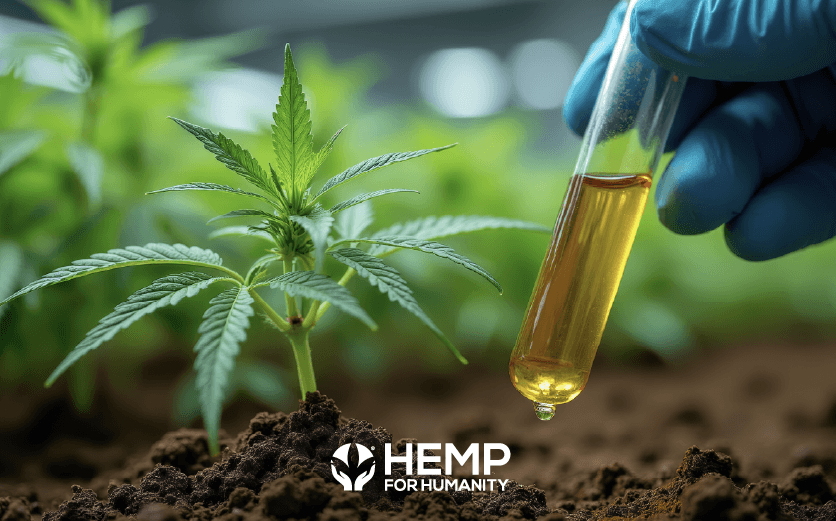
For many years, hemp products were largely defined by one cannabinoid: CBD. As consumer awareness has grown, attention has gradually expanded to other compounds, including CBG, CBN, CBC, and additional cannabinoids that occur naturally in the hemp plant in smaller amounts.
These are often called minor cannabinoids. The word “minor” refers to their concentration in the plant, not necessarily to their importance. In fact, these compounds may play an increasingly significant role in the next generation of hemp products.
The future of hemp innovation is unlikely to be based on simply adding more milligrams of a single ingredient. Instead, product development is becoming more thoughtful. Formulators are beginning to consider how different cannabinoids, terpenes, carrier oils, concentrations, and delivery methods can be combined to create products designed for specific routines and consumer preferences.
A daytime product, for example, may be formulated differently from one intended for an evening routine. A topical product requires a different approach than an oral oil, capsule, spray, or applicator. The effectiveness of a formulation does not depend only on which cannabinoids are included. It also depends on their proportions, the quality of the raw materials, how well the ingredients remain stable, and how consistently the product can be used.
Terpenes are also becoming an important part of this discussion. These aromatic compounds are naturally present in hemp and many other plants. They contribute to scent and flavour, but they may also influence the overall character of a formulation. As research develops, companies are exploring how cannabinoids and terpenes can be combined in more intentional ways, while remaining careful not to make claims that go beyond the available evidence.
Carrier oils matter as well. Cannabinoids are fat-soluble, which means the choice of carrier can affect the product’s texture, stability, taste, and ease of use. MCT oil, hemp seed oil, and other carriers each offer different characteristics. The best option depends on the purpose of the product and the experience the manufacturer wants to create.
Delivery formats are also becoming more sophisticated. Consumers now expect products that are convenient, clearly measured, and easy to include in daily life. Oils may offer flexible serving sizes, while capsules provide consistency. Topicals allow targeted application, and more specialised formats can support consumers who prefer a different experience.
This growing complexity gives experienced companies an advantage. Combining ingredients is relatively easy. Developing a reliable formulation is not.
Strong product development requires knowledge of extraction, ingredient compatibility, stability, manufacturing, regulations, and consumer use. It also requires testing. Reputable companies should be able to verify cannabinoid content, screen for contaminants, monitor consistency between batches, and explain clearly what is in the product.
Minor cannabinoids may become an important part of hemp’s future, but progress should remain responsible. More ingredients do not automatically create a better product, and novelty should never replace quality.
The most promising innovation will come from companies that combine curiosity with discipline: exploring new formulations, investing in research and testing, and communicating honestly about what is known and what is still being studied. That is how hemp products can become more sophisticated without losing the transparency and trust that consumers deserve.
:::
Written by Dr. Peter Verdegem, Phytonutrient Reseacher
This article is for educational purposes and does not constitute medical advice.
Follow Hemp for Humanity on Telegram: https://t.me/hempforhumanityofficial
Recent Comments